
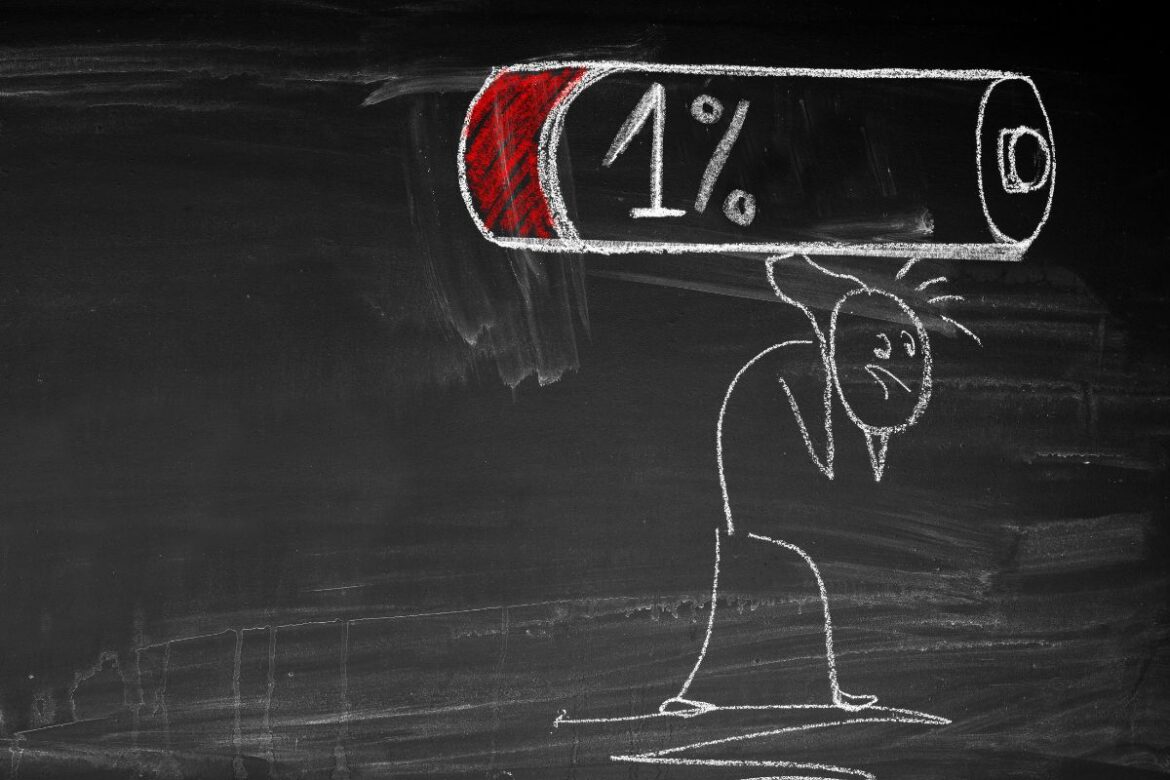
Burnout has become one of the most talked-about mental health topics of the past several years — and one of the most misunderstood. Most people use the word casually, to describe being tired, overwhelmed, or overworked. But clinical burnout is something more specific and more serious than a rough week. It’s a state of chronic exhaustion that doesn’t go away with a weekend off, and left unaddressed, it tends to get worse rather than better.
If you’ve been running on empty for months, feeling disconnected from work or relationships that used to matter, or noticing that the things you used to care about just don’t seem to register anymore — burnout may be what you’re dealing with. And burnout therapy in San Antonio can help you understand what’s driving it and start to build your way back.
At Courageous Counseling & Consulting in Stone Oak, we work with adults who are exhausted in ways that rest alone can’t fix. This post breaks down what burnout actually is, how to recognize it, and what professional support looks like when you’re ready for it.
What Is Burnout?
Burnout is a state of physical, emotional, and mental exhaustion caused by prolonged, unmanaged stress. It was formally recognized by the World Health Organization as an occupational phenomenon — meaning it’s most commonly associated with work — but burnout can develop in any area of life where demands consistently exceed resources over a long period of time. Caregivers, parents, students, and people navigating chronic relationship stress are just as vulnerable as high-performing professionals.
What distinguishes burnout from ordinary stress is its cumulative, erosive quality. Stress tends to feel like too much — too much pressure, too many demands, too little time. Burnout tends to feel like not enough — not enough energy, not enough motivation, not enough of yourself left to give. According to the World Health Organization, burnout is characterized by three core dimensions: feelings of energy depletion or exhaustion, increased mental distance from one’s work or life, and reduced sense of efficacy — the feeling that what you do doesn’t matter or isn’t working.
Understanding what burnout actually is matters because it changes how you address it. Rest helps with stress. It rarely resolves burnout. Burnout typically requires something more intentional.
Signs You May Be Experiencing Burnout
Burnout rarely announces itself clearly. It tends to build gradually, through a slow erosion of energy and engagement that can be easy to rationalize or dismiss. These are some of the most common signs that what you’re dealing with has moved beyond ordinary stress.
Persistent Exhaustion That Sleep Doesn’t Fix
You wake up tired. You go through the day tired. You sleep and wake up tired again. This kind of exhaustion isn’t about hours — it’s about a depletion that runs deeper than the physical, into the emotional and psychological reserves you draw on to engage with your life.
Emotional Detachment and Cynicism
Things that used to engage you — your work, your relationships, your goals — start to feel hollow or irrelevant. You find yourself going through the motions. You may notice a creeping cynicism or detachment that feels out of character: a sense that nothing really matters, that effort isn’t worth it, that you’ve stopped caring about outcomes you used to invest in heavily.
Declining Performance Despite More Effort
One of the more disorienting aspects of burnout is that it can make you work harder while producing less. Concentration becomes difficult. Simple decisions feel disproportionately taxing. You may find yourself making mistakes you wouldn’t normally make, missing things you’d normally catch, or struggling to complete tasks that used to come easily.
Physical Symptoms Without a Clear Medical Cause
Chronic burnout doesn’t stay in the mind. It migrates into the body. Headaches, muscle tension, digestive problems, frequent illness, and disrupted sleep are all common physical manifestations of prolonged unmanaged stress. If you’ve been dealing with physical symptoms your doctor can’t fully explain, burnout may be contributing.
Withdrawal and Isolation
When reserves are depleted, social connection often feels like one more demand rather than a resource. People experiencing burnout frequently pull back from friends, family, and activities they previously enjoyed — not because they don’t care, but because engaging feels like it costs more than they have available.
Irritability and Emotional Volatility
A shortened fuse, disproportionate reactions to minor frustrations, or a general sense of being perpetually on edge are all common burnout symptoms. When your nervous system is running on empty, its tolerance for additional stressors — even small ones — shrinks significantly.
What Causes Burnout?
Burnout is never just about working too hard. It develops when multiple factors converge over time, depleting resources faster than they can be replenished. Common contributors include:
- Chronic overwork without recovery time — long hours, insufficient rest, and a culture that equates busyness with value
- Lack of control — feeling like you have little say over your workload, schedule, or the decisions that affect you most
- Insufficient recognition — effort that goes consistently unacknowledged, financially or otherwise
- Values misalignment — spending significant time on work or obligations that conflict with what you actually care about
- Relationship or caregiving demands — chronic emotional labor in relationships, parenting, or caretaking roles with limited support
- Perfectionism and difficulty delegating — internal drivers that make it hard to ever feel like enough has been done
The American Psychological Association notes that burnout is rarely caused by a single factor — it’s typically the result of an accumulation of stressors in an environment that doesn’t provide adequate support or recovery. That’s an important distinction, because it means addressing burnout requires looking at the full picture, not just the most visible symptom.
Burnout vs. Depression: Understanding the Difference
Burnout and depression can look remarkably similar on the surface — exhaustion, withdrawal, loss of motivation, emotional flatness. But they’re not the same thing, and the distinction matters for how they’re treated.
Burnout is typically context-specific and situational. It tends to ease when the source of chronic stress is reduced or removed, and it’s often more domain-specific — someone might feel completely depleted by work while still finding some enjoyment in their personal life. Depression tends to be more pervasive, affecting all areas of life, and doesn’t resolve simply by removing a stressor.
That said, burnout that goes unaddressed for long enough can develop into clinical depression. The two conditions can also coexist. If you’re unsure which you’re dealing with — or suspect it might be both — that’s exactly the kind of question a therapist can help you work through. A proper assessment matters, both because it shapes what treatment looks like and because it removes the guesswork that tends to keep people stuck.
Why Rest Alone Usually Isn’t Enough
The most common response to burnout is to take a break — a vacation, a long weekend, a few days away from screens. Rest matters. But for most people dealing with genuine burnout, rest is a temporary relief rather than a resolution. You come back from the vacation refreshed, and within days or weeks you’re back where you started.
That’s because rest addresses the symptom — depletion — without touching the conditions that created it. The patterns, the environment, the internal drivers, the relationship dynamics, the way you’ve been relating to work or obligation for years — those don’t change because you took a week off. Real recovery from burnout requires examining those underlying factors and making intentional changes, which is work that tends to benefit significantly from professional support.
Our post on why end-of-year burnout hits so hard covers some of the self-management strategies that help in the short term. This post is about what to do when those strategies aren’t enough.
How Burnout Therapy in San Antonio Can Help
Burnout therapy isn’t about being talked through relaxation techniques. It’s about understanding what got you here, what’s keeping you here, and what sustainable change actually looks like for your specific situation.
At Courageous Counseling, our therapists work with clients experiencing burnout by looking at the full picture — the workload and environment, yes, but also the internal patterns that often contribute just as much. Perfectionism. Difficulty with boundaries. The belief that your worth is tied to your productivity. The inability to ask for help without feeling like a burden. These aren’t character flaws — they’re learned patterns, and they’re exactly the kind of thing therapy is designed to help you examine and change.
Depending on what’s driving your burnout, therapy might involve:
- Identifying the specific factors contributing to your depletion — external and internal
- Building practical strategies for managing anxiety and chronic stress in real-world situations
- Examining and shifting the beliefs and patterns that make recovery difficult
- Working through stress management approaches that fit your actual life, not a generic self-care checklist
- Addressing relationship dynamics or communication patterns that are contributing to depletion
- Building a sustainable relationship with work, productivity, and rest that doesn’t depend on running yourself into the ground
We also offer teletherapy for clients throughout San Antonio who prefer the flexibility of meeting virtually — particularly relevant for people whose burnout is partly driven by an already-overloaded schedule.
Frequently Asked Questions About Burnout Therapy in San Antonio
What is burnout?
Burnout is a state of chronic physical, emotional, and mental exhaustion caused by prolonged unmanaged stress. It’s characterized by deep fatigue, emotional detachment, and a reduced sense of accomplishment — and it doesn’t resolve with ordinary rest alone.
What’s the difference between burnout and stress?
Stress typically feels like too much — too many demands, too much pressure. Burnout feels like not enough — not enough energy, motivation, or capacity left to give. Stress can coexist with engagement; burnout is defined by its absence.
How do I know if I need therapy for burnout or just need a break?
If rest temporarily relieves your symptoms but they return quickly once you’re back in your normal environment, that’s a strong signal that something more than a break is needed. Therapy helps address the underlying patterns and conditions that rest doesn’t touch.
Can burnout lead to depression?
Yes. Burnout that goes unaddressed over time can develop into clinical depression, and the two conditions can coexist. If you’re experiencing symptoms of both — pervasive low mood, loss of interest, hopelessness — a professional assessment is important to ensure you’re getting the right level of support.
How long does it take to recover from burnout?
Recovery timelines vary significantly depending on the severity of burnout and whether the underlying conditions change. Mild burnout addressed early may resolve in weeks. Severe or long-standing burnout can take months of consistent work. A therapist can help you set realistic expectations based on your specific situation.
Does Courageous Counseling offer burnout therapy in San Antonio?
Yes. We work with adults experiencing burnout throughout San Antonio and the Stone Oak area, with individualized therapy focused on understanding what’s driving the depletion and building sustainable change. Reach out to schedule a free consultation.
You Don’t Have to Wait Until You’ve Hit a Wall
Burnout rarely happens overnight. By the time most people seek help, they’ve been running on empty for months — managing, coping, telling themselves it’ll get better when the project ends, when things slow down, when the kids are older. It usually doesn’t get better on its own. The conditions change, and the pattern continues.
If something in this post has resonated — if you’ve recognized yourself in any of these signs — that’s worth paying attention to. You don’t have to be in crisis to reach out. You just have to be ready to stop managing it alone.
Courageous Counseling & Consulting serves individuals throughout San Antonio and Stone Oak with licensed, compassionate therapy built around real outcomes. Request a free consultation today — no pressure, no commitment, just an honest conversation about where you are and what might actually help.